Your hairline is receding. The crown area shows more scalp than hair. You’ve tried topical treatments and medications with minimal results. You want permanent hair restoration that looks completely natural-not the obvious “hair plugs” of past decades. You need a solution that allows you to wear short hairstyles without visible scarring. You want to look like yourself again, just with the hair you used to have.
Dr. David N. Sayah is a board-certified plastic surgeon with fellowship training in advanced endoscopic techniques and over 15 years of experience specializing exclusively in procedures for men. His unique background as an accomplished oil painter and sculptor provides exceptional insight into hairline design, natural hair patterns, and the aesthetic principles that distinguish excellent hair transplants from average results. His UCLA Medical Center surgical training emphasized precision and meticulous attention to detail-critical qualities for successful FUE hair transplantation that appears completely natural.
Follicular Unit Extraction (FUE) represents the most advanced hair transplant technique available today. Unlike older strip harvesting methods that leave long linear scars, FUE extracts individual follicular units (containing 1-4 hairs each) from donor areas using tiny punch tools. This creates virtually invisible tiny dot scars, allows wearing short hairstyles comfortably, provides faster recovery, and most importantly-creates completely natural-looking results when performed by experienced surgeons like Dr. Sayah.
Great Experience! I’m glad I went to Dr. Sayah because he specializes in male plastic surgery. His staff was also great, when I walked into the office I felt like I was being greeted by friends. I’m very happy with my results and I would highly recommend Dr. Sayah to anyone considering plastic surgery.
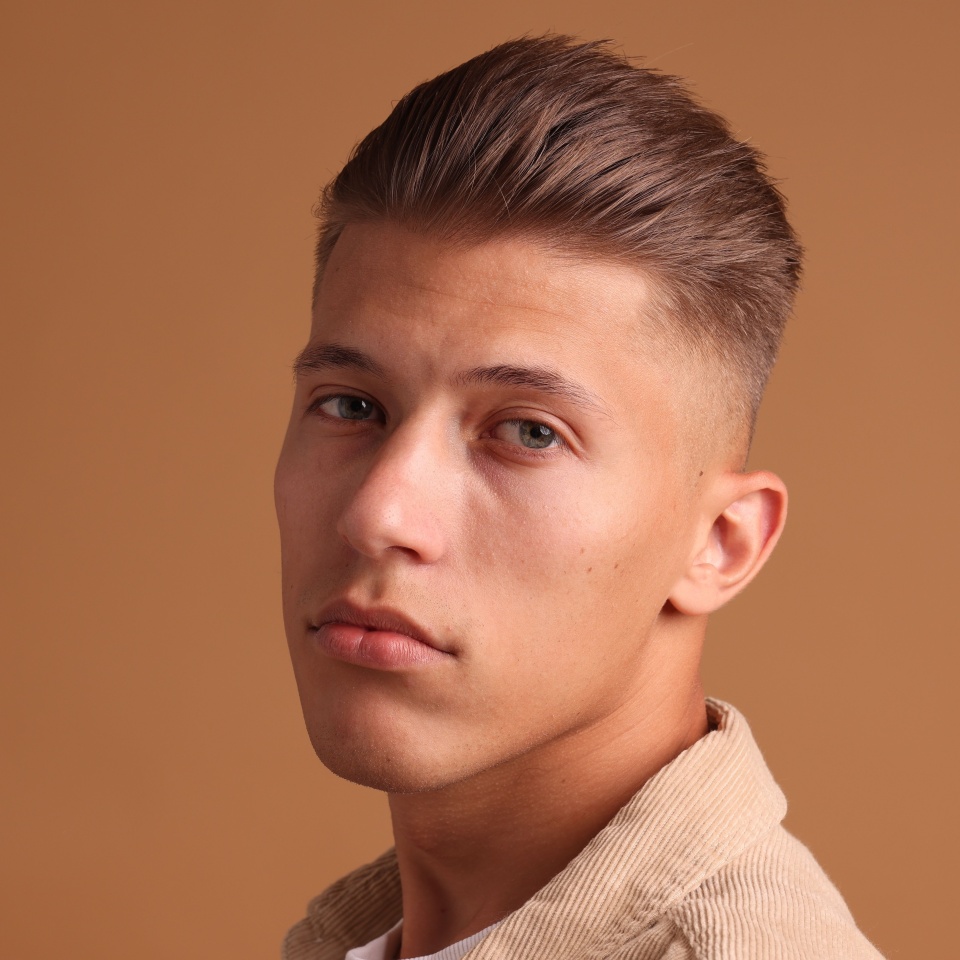
Understanding FUE Hair Transplant Technology
FUE hair transplantation extracts individual follicular units from permanent donor zones (typically the back and sides of the scalp) and transplants them to balding or thinning areas. These donor follicles are genetically resistant to DHT (the hormone causing male pattern baldness) and continue growing throughout life-even when moved to areas previously affected by hair loss.
The FUE procedure uses specialized micro-punch instruments (0.8-1.0mm diameter) to extract follicles individually, leaving tiny circular scars that are virtually undetectable even with very short hairstyles. Extracted follicles are meticulously prepared and strategically implanted at proper angles, directions, and density to create natural-looking results that blend seamlessly with existing hair.
Why Men Choose FUE Hair Transplant in Los Angeles
Men seek FUE when hair loss affects their appearance and confidence:
Receding Hairline
Your hairline has moved backward significantly, creating an aged appearance that undermines your confidence in professional and social settings.
Crown Thinning
The vertex area shows visible scalp through sparse hair, making you self-conscious in photos and when viewed from above.
Advanced Hair Loss
Extensive balding across the top of your scalp creates noticeable volume loss requiring substantial restoration.
No Visible Scarring Desired
You want the flexibility to wear very short hairstyles, buzz cuts, or shaved styles without linear scars being visible.
Avoiding Strip Method
You specifically want to avoid the linear scar from older strip harvesting (FUT) technique that would limit hairstyle options.
Natural Appearance Priority
You want hair restoration that looks completely natural—not obviously transplanted or “pluggy” like older techniques.
Permanent Solution
You’re tired of temporary treatments like minoxidil or finasteride and want permanent hair restoration that lasts lifetime.
Active Lifestyle
Your athletic or active lifestyle makes the minimal downtime and quick recovery of FUE appealing compared to older methods.
“FUE hair transplantation is equal parts technical skill and artistic vision,” explains Dr. Sayah. “The technical aspect involves harvesting and implanting thousands of individual follicles without damaging them-requiring steady hands and surgical precision. But equally important is the artistic design-creating natural, age-appropriate hairlines that complement each patient’s facial structure, placing grafts at proper angles matching natural hair direction, and achieving appropriate density that looks authentic rather than artificial. My background as a painter and sculptor helps me visualize the final aesthetic result and design hairlines that frame the face naturally. My exclusive focus on male patients means I understand masculine hairline patterns, density expectations, and the specific aesthetic goals men have for their hair restoration. The goal is hair that looks like it’s always been there.”
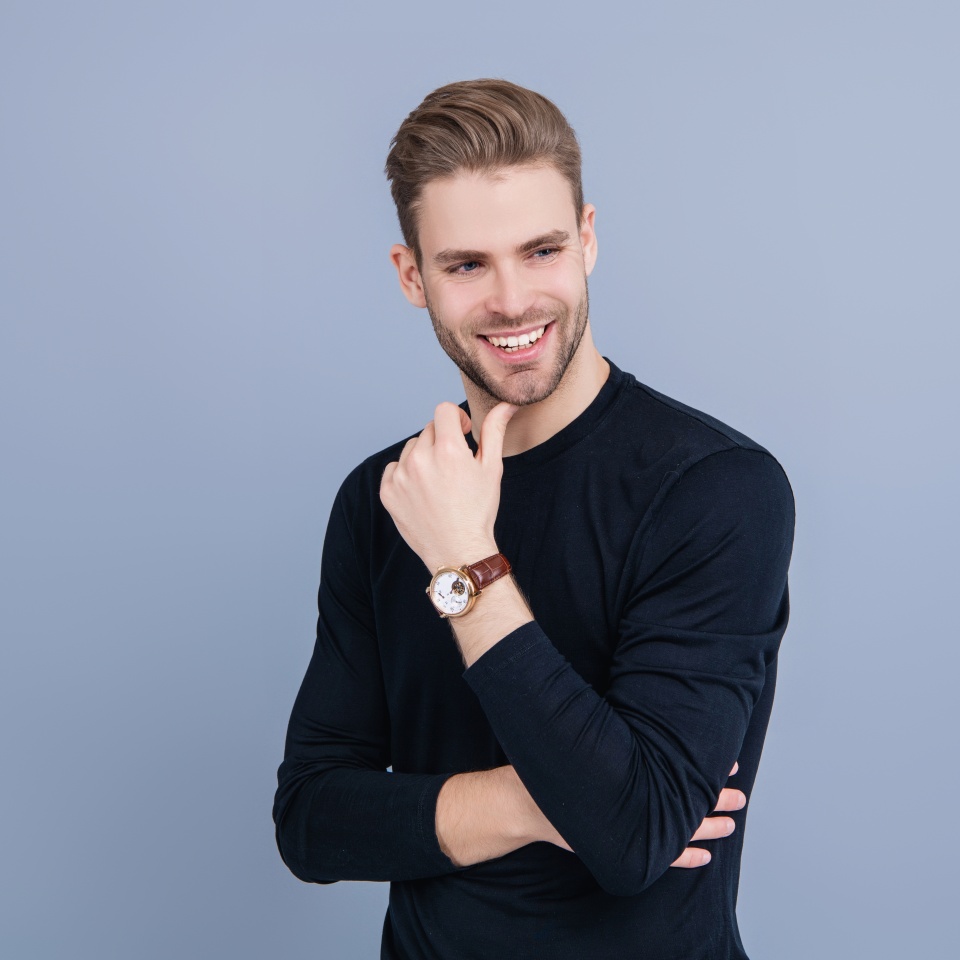
Advanced FUE Hair Transplant Technique
Creating natural results requires meticulous attention to every detail:
Strategic Donor Area Harvesting
Preserving future transplant options:
- Donor Assessment: Careful evaluation of donor density, hair characteristics (texture, color, curl), and future hair loss patterns to determine realistic graft availability.
- Strategic Extraction: Harvesting follicles evenly throughout donor zones avoiding over-harvesting any single area that could create visible thinning.
- Follicle Selection: Choosing grafts based on hair count (single hairs for hairline refinement, multi-hair follicles for density) ensuring optimal aesthetic outcomes.
- Donor Preservation: Conservative harvesting maintains donor area density for potential future procedures if continued hair loss occurs.
- Minimizing Visibility: Even extraction pattern ensures no noticeable thinning in donor zones even with short hairstyles.
Artistic Hairline Design
Creating natural, age-appropriate appearance:
- Facial Proportion Analysis: Evaluating facial structure, forehead height, and overall proportions to determine optimal hairline position and shape.
- Irregular Pattern Creation: Designing naturally irregular hairlines avoiding straight, artificial-looking lines characteristic of poor transplants.
- Temporal Point Restoration: Rebuilding temple recession areas that frame the face naturally rather than ignoring these critical areas.
- Age-Appropriate Positioning: Creating hairlines suitable for your current age rather than overly aggressive teenage hairlines that appear unnatural.
- Gradual Transition Zones: Establishing soft, gradual density changes from hairline to denser areas behind rather than abrupt changes.
Precision Graft Placement
Creating authentic appearance:
- Angle Matching: Implanting each graft at proper angle matching your natural hair growth direction creating seamless integration.
- Direction Consistency: Following natural hair flow patterns-different angles for hairline, crown, and transitional areas.
- Appropriate Density: Achieving natural density that appears full without creating unnaturally dense “doll hair” appearance.
- Follicle Distribution: Strategic placement of single, double, and triple-hair follicles creating natural variation in density and texture.
- Artistic Spacing: Proper spacing between grafts ensuring adequate blood supply for survival while maximizing coverage.
The Benefits of FUE Hair Transplant
FUE provides comprehensive advantages for men:
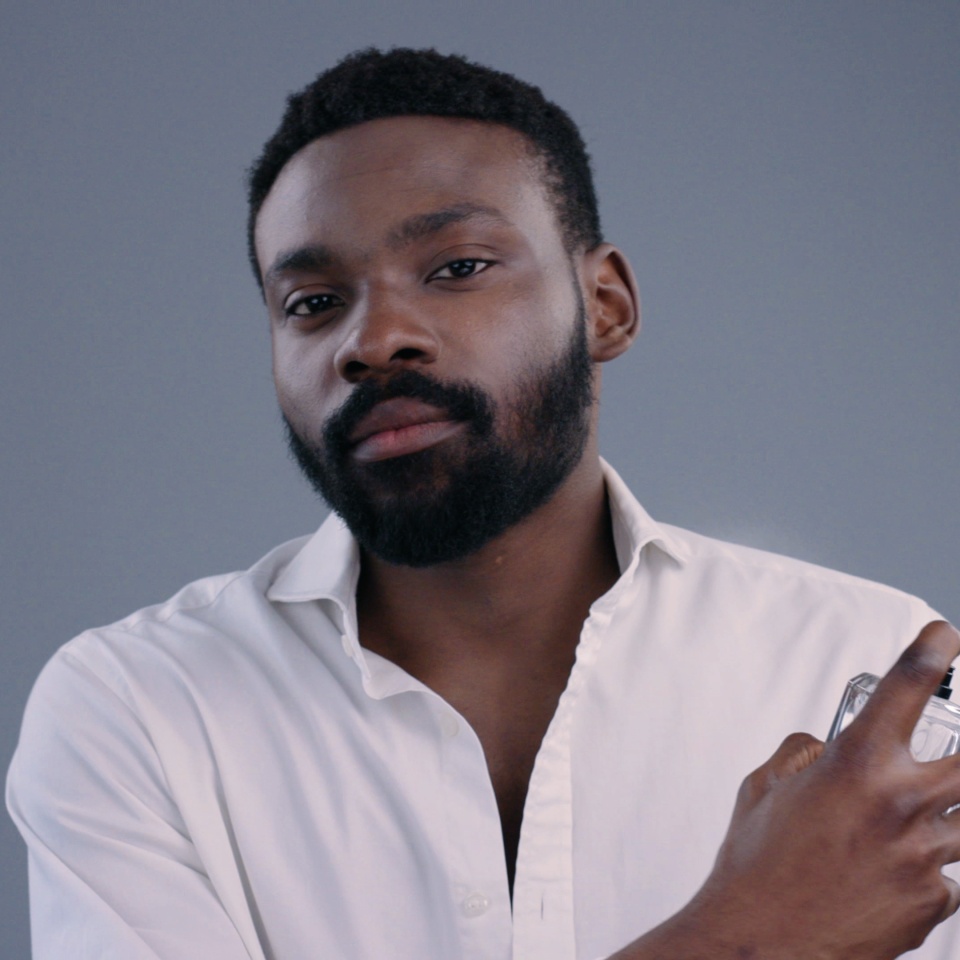
The FUE Hair Transplant Procedure
Dr. David N. Sayah, who trained at UCLA Medical Center and studied painting and sculpture extensively, performs FUE hair transplantation at his Beverly Hills practice:
- Comprehensive Planning: Detailed consultation includes scalp examination, hairline design using computer imaging, realistic graft estimates, and discussion of expected outcomes.
- Duration: Typically 4-8 hours depending on number of grafts needed (smaller sessions for minor restoration, full-day sessions for extensive work).
- Anesthesia: Local anesthesia numbs entire scalp ensuring complete comfort throughout procedure. Oral sedation available if desired.
- Donor Harvesting: Individual follicular units extracted from donor zones using specialized micro-punch tools (0.8-1.0mm). Meticulous extraction preserves follicle integrity.
- Graft Preparation: Extracted follicles carefully examined, sorted by hair count, and kept in specialized solution maintaining viability.
- Recipient Site Creation: Tiny incisions made in recipient areas at proper angles and direction matching natural hair patterns-this artistic step determines final appearance.
- Graft Implantation: Each follicle carefully placed into recipient sites with precision ensuring proper depth, angle, and orientation.
- Immediate Recovery: Most men rest briefly then return home same day with detailed post-procedure instructions.
Combining FUE With Other Treatments
Maximizing results through comprehensive approach:
- Medical therapy (finasteride, minoxidil) preserves existing native hair while transplants restore lost areas
- Multiple FUE sessions staged over time address progressive hair loss as it occurs
- Forehead reduction surgery combined with hair transplant for comprehensive improvement
- Non-surgical treatments maintaining results long-term
Dr. Sayah develops customized treatment plans combining approaches for optimal long-term outcomes.
Recovery After FUE Hair Transplant
Recovery is remarkably comfortable:
- First 24-48 Hours: Mild soreness in donor and recipient areas (similar to mild sunburn). Small scabs form at graft sites. Sleep with head elevated. Avoid touching or disturbing grafts.
- Days 3-5: Increasing comfort. Scabs begin softening. Most men return to desk work. Gentle hair washing begins around day 3-4.
- Days 7-10: Scabs naturally fall off revealing transplanted follicles. Donor area healing well. Can resume light exercise avoiding excessive sweating.
- Weeks 2-4: Transplanted hairs shed (completely normal and expected-this is temporary shedding, not permanent loss). Scalp appears similar to pre-procedure. Resume all normal activities including strenuous exercise.
- Months 3-4: New hair growth begins emerging from transplanted follicles. Initial growth appears fine and thin, gradually thickening.
- Months 6-8: Substantial improvement visible. Approximately 60-70% of final result apparent. Hair continuing to thicken and mature.
- Months 12-18: Final results fully apparent. All transplanted follicles have grown and matured. Hair achieves terminal thickness. Results permanent.
Graft Numbers and Coverage Expectations
Understanding realistic restoration:
- Minor Hairline Work: 1,000-1,500 grafts restore mild frontal recession creating natural hairline improvement.
- Moderate Restoration: 2,000-2,500 grafts address significant frontal recession and temple restoration creating meaningful coverage.
- Extensive Work: 3,000-4,000+ grafts restore advanced balding including frontal areas and crown, sometimes requiring multiple sessions.
- Mega Sessions: Some patients undergo 4,000-5,000+ graft sessions for comprehensive restoration, though multiple smaller sessions often preferable.
- Realistic Expectations: One graft contains 1-4 hairs. 2,000 grafts typically equals 4,000-6,000 individual hairs transplanted.
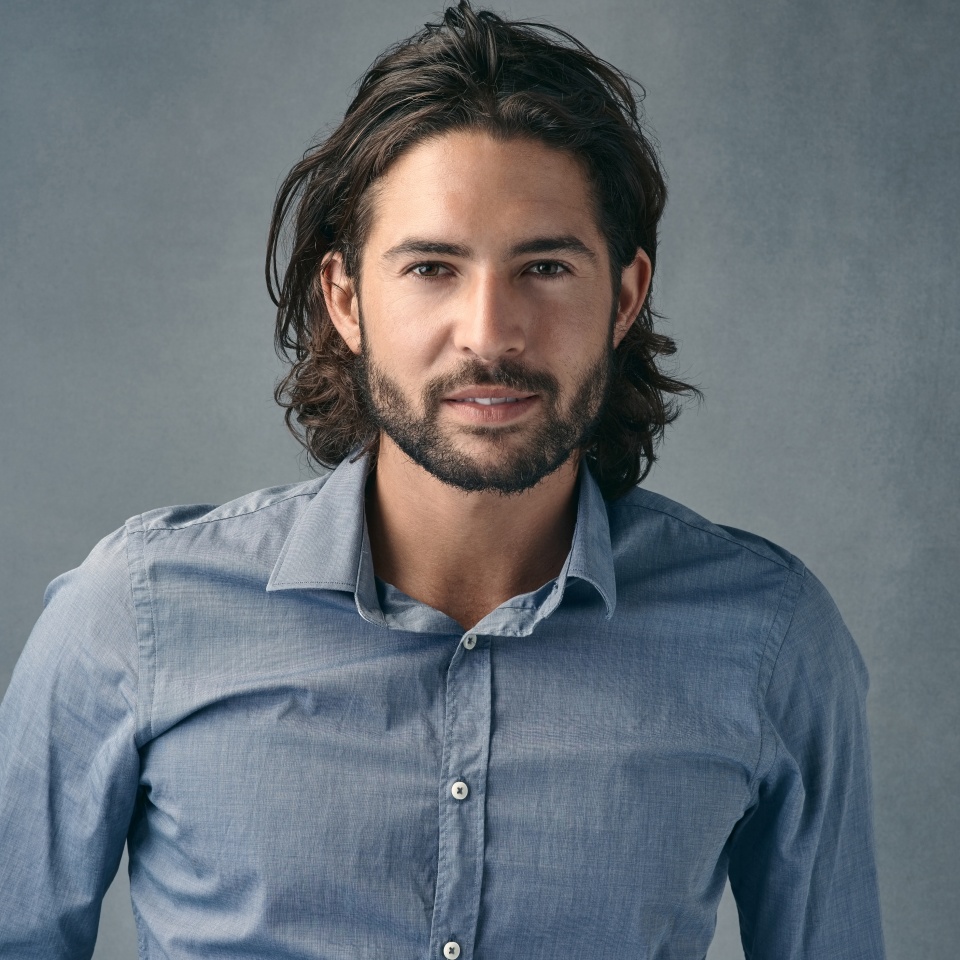
Frequently Asked Questions About FUE Hair Transplant
-
Graft requirements vary significantly based on extent of your hair loss, desired density, and donor area availability. Minor hairline work requires 1,000-1,500 grafts. Moderate frontal restoration typically needs 2,000-2,500 grafts. Extensive restoration including crown can require 3,000-4,000+ grafts, sometimes necessitating multiple sessions. During consultation, Dr. Sayah performs detailed scalp examination and provides accurate graft estimates for your specific situation. His conservative approach ensures realistic expectations without overpromising results or depleting donor areas. Computer imaging helps visualize expected outcomes based on planned graft numbers.
-
FUE creates tiny circular scars (0.8-1.0mm) at each extraction site in the donor area. These scars are virtually invisible-even with very short hairstyles like buzz cuts down to #2 guard. Unlike older strip harvesting (FUT) that leaves a long linear scar across the back of the head, FUE’s dot scars are undetectable to casual observation. This makes FUE ideal for men who want flexibility to wear short hairstyles without concern about visible scarring. The trade-off is that FUE typically allows harvesting fewer total grafts over lifetime compared to strip method, though for most patients this limitation isn’t problematic.
-
The procedure itself is not painful due to local anesthesia completely numbing the scalp. You may feel slight pressure during extraction and implantation but no pain. After surgery, most men experience mild soreness in donor and recipient areas for 2-3 days–typically described as feeling similar to mild sunburn. This discomfort is easily managed with over-the-counter pain medication (most men don’t even need prescription pain medication). By day 4-5, most men feel completely comfortable. The procedure is remarkably well-tolerated with discomfort significantly less than most people anticipate before their first transplant.
-
FUE results are permanent. The transplanted follicles are harvested from DHT-resistant zones on the back and sides of your head that are genetically programmed to grow throughout life. When moved to balding areas, these follicles retain their genetic resistance to DHT and continue growing permanently-they don’t fall out. However, it’s important to understand that native hair (non-transplanted hair) in thinning areas may continue receding over time depending on your genetic pattern. Many men use finasteride or minoxidil to preserve existing native hair while transplanted hair remains permanent. You may desire additional transplant sessions in future to address continued native hair loss in other areas.
-
Yes-this is one of FUE’s major advantages. The tiny circular scars from individual follicle extraction (0.8-1.0mm) are virtually invisible, allowing you to wear very short hairstyles comfortably. Even with buzzed hair down to #2 guard, FUE scars typically remain undetectable. This gives you complete flexibility with hairstyles without concern about visible scarring. Older strip method (FUT) leaves a long linear scar across the back of the head that remains visible with short hair, limiting style options. FUE’s scarless appearance makes it ideal for men who prefer short hairstyles or want styling flexibility without limitations.
-
Most men return to desk work within 3-5 days after FUE hair transplant. The procedure causes minimal discomfort and no significant activity restrictions beyond avoiding strenuous exercise initially. Small scabs form at transplant sites (like healing mosquito bites) which are visible for about 10 days-many men wear hats during this period. Light exercise like walking can resume around day 7-10. More strenuous exercise including heavy lifting and vigorous cardio should wait 2-3 weeks to avoid excessive sweating and scalp tension that could compromise graft survival. Most men are pleasantly surprised by how quickly they feel completely normal and comfortable resuming all regular activities.
Why Choose Simply Males for FUE Hair Transplant in Los Angeles
- Exclusive Male Focus: Dr. Sayah specializes exclusively in procedures for men, understanding masculine hairline patterns, density requirements, and aesthetic expectations specific to male patients.
- Artistic Hairline Design: Dr. Sayah’s training as an oil painter and sculptor provides unique insight into creating natural, age-appropriate hairlines that complement facial structure rather than following templates.
- Meticulous Technique: UCLA Medical Center surgical training emphasized precision and attention to detail-critical for successful FUE requiring harvesting and implanting thousands of individual follicles.
- Natural Results Priority: Creating hair restoration that appears completely natural-hair that looks like it’s always been there rather than obviously transplanted.
- Conservative Graft Estimates: Honest assessment about realistic outcomes based on your donor availability and loss pattern rather than overpromising results.
- Comprehensive Planning: Long-term treatment strategies considering future hair loss patterns and potential additional procedures needed over time.
- Advanced Training: Board-certified by the American Board of Plastic Surgery with fellowship training in advanced endoscopic techniques completed at UCLA Medical Center. Over 15 years specializing exclusively in male procedures.
- State-of-the-Art Facility: All procedures performed at our fully accredited facility in Beverly Hills with latest FUE technology and highest safety protocols.
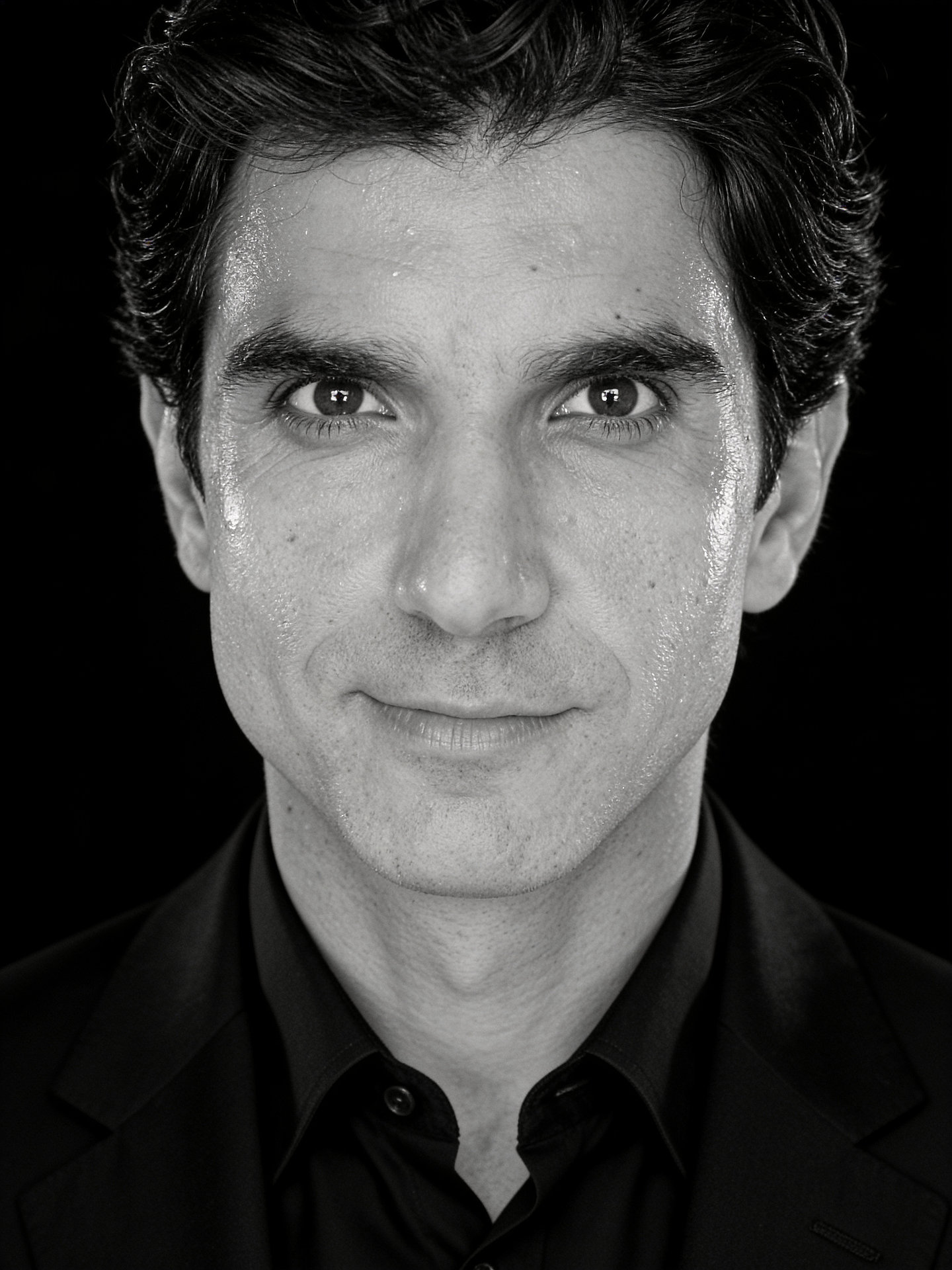
Meet Dr. David Sayah
Dr David Sayah is a board certified plastic surgeon in Beverly Hills known for his natural approach to aesthetic surgery. With more than 26 years of experience, he combines surgical precision with artistic insight to deliver balanced and refined results. His philosophy centers on enhancing individual beauty rather than changing it.
A graduate of the UCLA School of Medicine and a Fellow of the American College of Surgeons, Dr Sayah trained at leading medical centers including NYU and UCLA. His work in wound healing and scar formation research helps patients heal beautifully with minimal scarring. Fluent in five languages, he welcomes patients from Beverly Hills, Los Angeles, and across the world who seek exceptional, natural results.
Schedule Your FUE Hair Transplant Consultation in Beverly Hills
If hair loss is affecting your confidence, appearance, and quality of life, we can help. Dr. Sayah’s unique combination of surgical precision, artistic vision, and exclusive male focus ensures you receive FUE hair transplantation creating permanent, natural-looking results.
Contact Simply Males today at (310) 928-0920 to schedule your confidential consultation. We serve men throughout Los Angeles and Beverly Hills and welcome patients from around the world seeking expert FUE hair transplant surgery. Comprehensive scalp analysis, computer imaging, and personalized treatment planning included in every consultation.
Medically reviewed by David N. Sayah, MD, MD, FACS on