Your beard grows in patchy. Genetic factors leave gaps that prevent the full, masculine facial hair you want. Scarring from accidents, burns, or surgery created areas where hair no longer grows. You can’t grow a mustache, goatee, or sideburns that connect properly. You’ve tried everything-minoxidil, biotin supplements, beard oils-with disappointing results. You want the confidence that comes with a full, well-groomed beard that enhances your masculine appearance and defines your jawline.
Dr. David N. Sayah is a board-certified plastic surgeon with fellowship training in advanced endoscopic techniques and over 15 years of experience specializing exclusively in procedures for men. His unique background as an accomplished oil painter and sculptor provides exceptional insight into facial aesthetics, natural hair patterns, and the design principles that create authentic-looking beards. His UCLA Medical Center surgical training emphasized precision and meticulous technique-critical qualities for successful facial hair transplantation that appears completely natural rather than obviously transplanted.
Beard transplantation uses advanced FUE (Follicular Unit Extraction) technology to harvest individual hair follicles from your scalp and transplant them to facial areas where you want beard growth. The procedure creates permanent, natural-looking facial hair that grows, can be trimmed, styled, and shaved just like natural beard hair. Whether filling patchy areas, creating a full beard from minimal growth, or restoring facial hair lost to scarring, beard transplantation offers permanent solutions.
Great Experience! I’m glad I went to Dr. Sayah because he specializes in male plastic surgery. His staff was also great, when I walked into the office I felt like I was being greeted by friends. I’m very happy with my results and I would highly recommend Dr. Sayah to anyone considering plastic surgery.
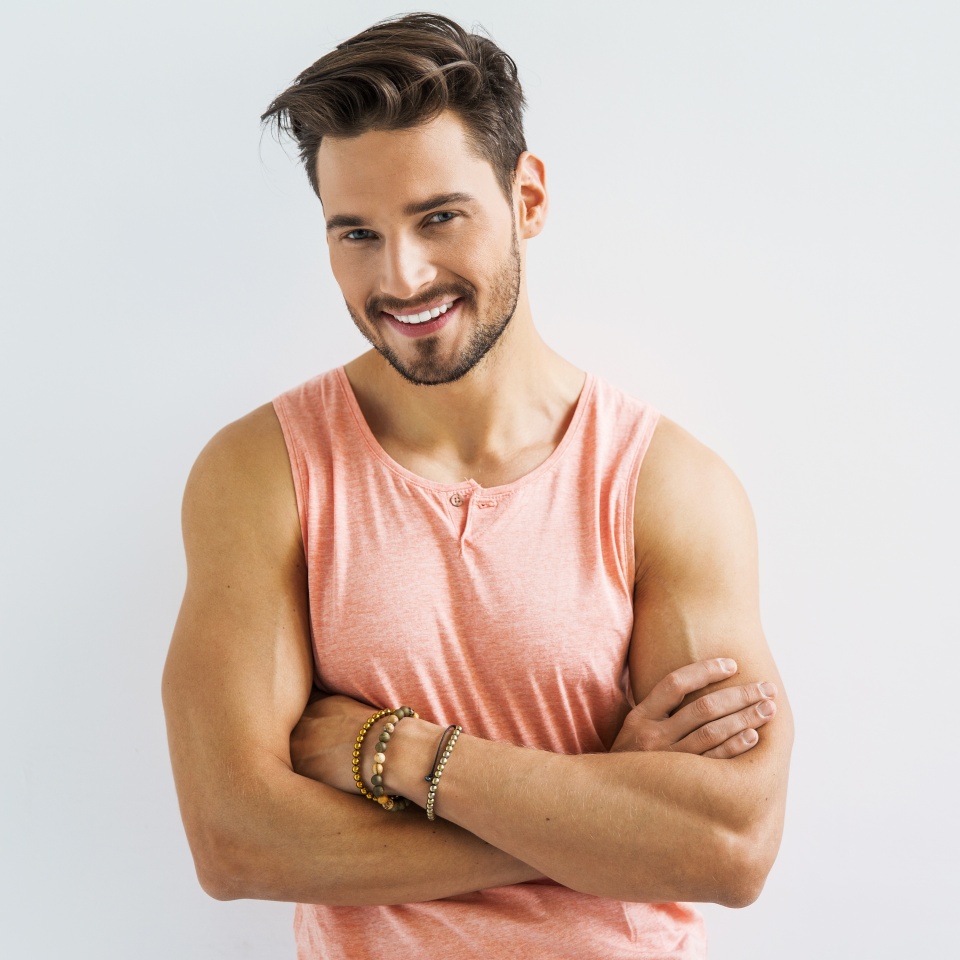
Understanding Beard Transplant Technology
Beard transplantation follows the same FUE principles as scalp hair transplants but requires specialized expertise due to different growth characteristics, angles, and density requirements of facial hair. Individual follicular units (typically single-hair grafts for natural appearance) are harvested from scalp donor areas-usually the back of the head where hair grows permanently.
These harvested follicles are then meticulously transplanted into facial areas at precise angles matching natural beard growth patterns. Facial hair grows at different angles than scalp hair (typically 30-45 degrees rather than perpendicular), requires specific density for natural appearance, and must follow natural beard patterns that vary by ethnicity and individual characteristics.
Reasons to Consider Beard Transplant in Los Angeles
Men seek beard restoration when patchy growth affects their appearance and confidence:
Patchy Beard Growth
Genetic factors create uneven growth with gaps preventing you from achieving the full beard style you want, making you appear younger or less masculine.
Thin Mustache or Goatee
Your mustache or goatee area lacks density, creating sparse appearance rather than the full, defined facial hair that enhances masculine features.
Scar Coverage
Accidents, burns, or previous surgeries left scars on your face where hair no longer grows, creating obvious gaps in your beard.
Weak Sideburns
Your sideburns are thin or non-existent, failing to connect properly with your beard or frame your face naturally.
Jawline Definition
You want a full beard to define and enhance your jawline, creating more masculine facial contours and structure.
Cultural or Personal Preference
Your cultural background, personal style, or professional image values full facial hair that you’re genetically unable to grow naturally.
FTM Transgender Identity
You’re transgender (FTM) and want facial hair consistent with male identity that testosterone therapy alone hasn’t fully provided.
Youthful Appearance
Lack of facial hair makes you appear younger than you are, undermining professional credibility or personal confidence.
“Beard transplantation requires both technical expertise and artistic sensibility,” explains Dr. Sayah. “Unlike scalp hair transplants where follicles are placed perpendicular to the skin, facial hair grows at sharp angles-typically 30-45 degrees-and these angles vary across different facial zones. The mustache grows differently than the goatee, which grows differently than the cheeks and jawline. My background as a painter and sculptor helps me understand these three-dimensional growth patterns and design beard placement that appears completely natural. My exclusive focus on male patients means I perform beard transplants regularly and understand masculine facial hair aesthetics-the appropriate density, natural patterns, and ethnic variations that distinguish excellent results from obvious transplants.”
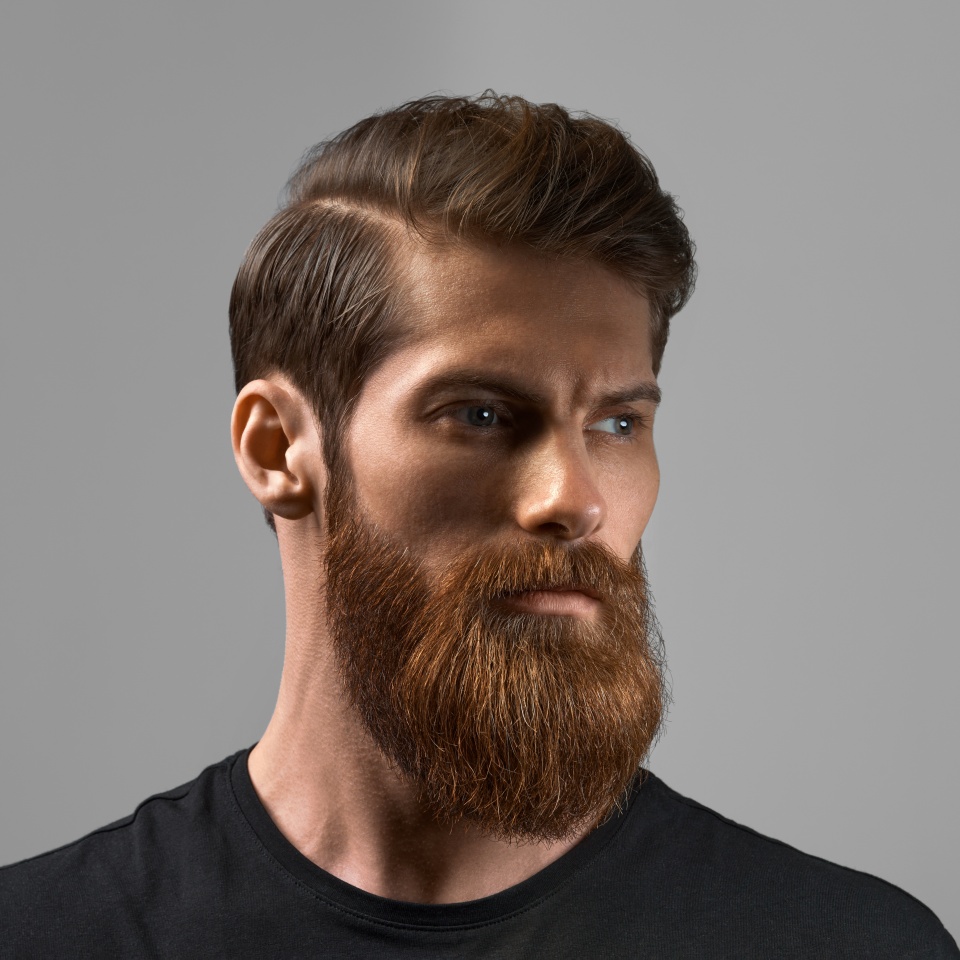
Advanced Beard Transplant Technique for Men
Creating natural facial hair requires specialized approach:
Strategic Donor Hair Selection
Matching facial hair characteristics:
- Scalp Hair Harvest: Beard grafts typically harvested from back of head where hair texture and growth characteristics best match facial hair requirements.
- Single Hair Follicles: Primarily using single-hair grafts rather than multi-hair follicles creating more natural beard appearance and proper density.
- Texture Matching: Selecting donor hair with appropriate texture-finer hair for mustache and central face, coarser hair for outer cheeks if needed.
- Adequate Supply: Ensuring sufficient donor availability for desired coverage without compromising scalp appearance or future transplant options.
Artistic Beard Design and Planning
Creating natural, masculine patterns:
- Age-Appropriate Design: Creating beard density and patterns suitable for your age rather than overly aggressive coverage that appears unnatural.
- Ethnic Considerations: Respecting natural beard patterns characteristic of your ethnic background-different densities and distributions for different ethnicities.
- Personal Style Goals: Designing coverage based on whether you want full beard, goatee, mustache, or specific style achieving your aesthetic preferences.
- Facial Structure Enhancement: Strategic placement enhancing your jawline definition, balancing facial proportions, and complementing overall facial structure.
- Natural Borders: Creating soft, irregular beard borders rather than artificial-looking straight lines characteristic of poor transplants.
Precise Angle and Direction Matching
Creating authentic growth patterns:
- Angle Precision: Implanting grafts at 30-45 degree angles matching natural facial hair growth rather than perpendicular scalp hair placement.
- Directional Variation: Following natural hair flow patterns that change across facial zones-different directions for mustache, cheeks, jawline, and neck.
- Density Gradation: Creating natural density variation-denser in central zones like mustache and goatee, gradually decreasing toward borders and cheeks.
- Strategic Layering: Placing grafts in multiple layers at slightly different angles creating natural depth and fullness rather than flat appearance.
Scar Camouflage and Reconstruction
Restoring hair in damaged areas:
- Scar Assessment: Evaluating scar tissue quality determining graft survival potential and realistic expectations for coverage.
- Strategic Placement: Positioning follicles to maximize scar coverage while ensuring adequate blood supply for survival.
- Density Adjustment: Using appropriate graft density in scarred areas-typically slightly lower than normal tissue due to compromised blood supply.
- Multiple Sessions: Sometimes requiring staged procedures allowing initial grafts to establish before adding additional density.
What Beard Transplant Addresses
Beard restoration creates natural, permanent facial hair:
Patchy Beard Growth
Fill genetic gaps and sparse areas creating full, even beard coverage eliminating frustrating patchiness.
Thin Mustache
Enhance mustache density creating defined, full upper lip hair framing your face naturally.
Weak Goatee
Build goatee fullness and definition creating masculine chin and lower face appearance.
Non-Existent Sideburns
Create or enhance sideburns connecting properly with beard and framing face naturally.
Cheek Coverage
Fill sparse cheek areas creating full beard extending across entire facial lower third.
Scar Coverage
Restore hair growth in scarred areas from accidents, burns, or surgery concealing visible damage.
Jawline Definition
Create defined beard along jawline enhancing masculine facial structure and contours.
Overall Facial Hair
Build complete beard from minimal natural growth creating full coverage previously impossible.
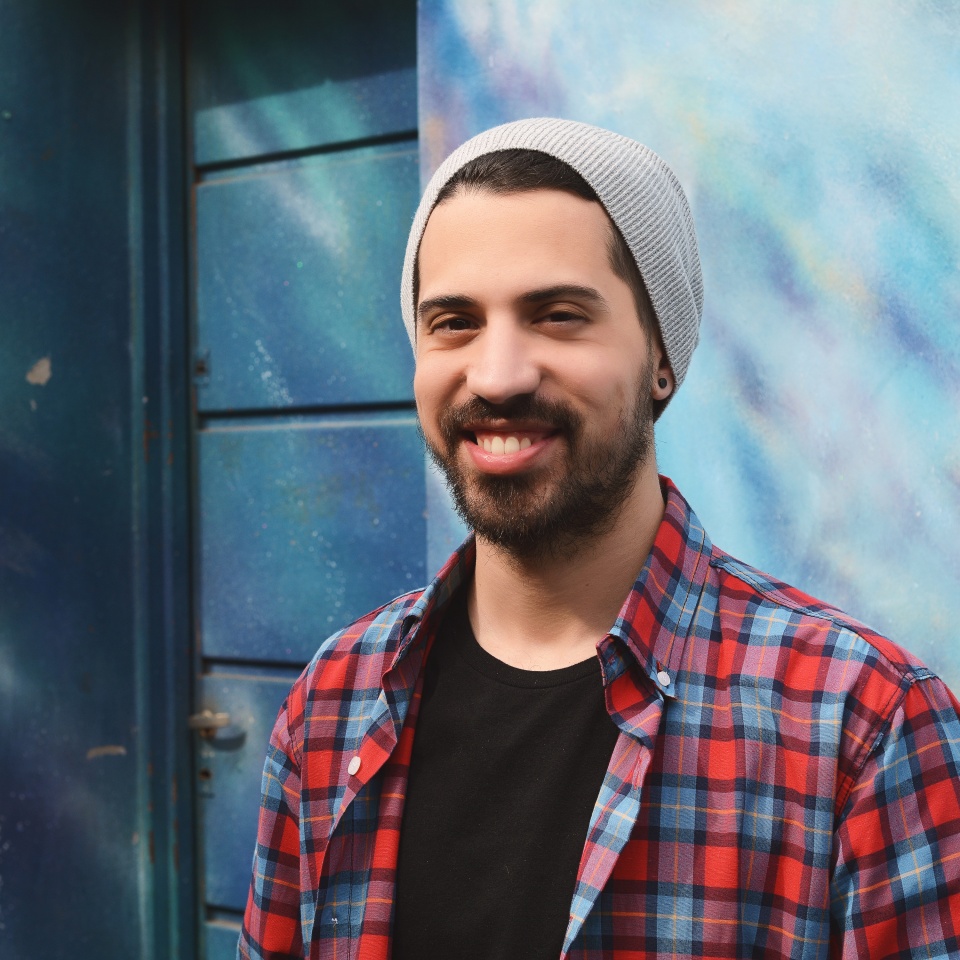
The Beard Transplant Procedure
Dr. David N. Sayah, who trained at UCLA Medical Center and studied painting and sculpture extensively, performs beard transplantation at his Beverly Hills practice:
- Comprehensive Planning: Detailed consultation includes facial assessment, beard design planning, realistic graft estimates based on desired coverage, and discussion of expected outcomes.
- Duration: Typically 3-6 hours depending on number of grafts needed (small mustache enhancement requires fewer grafts than full beard creation).
- Anesthesia: Local anesthesia numbs both scalp donor area and face ensuring complete comfort throughout procedure. Oral sedation available if desired.
- Donor Harvesting: Individual follicular units extracted from scalp using specialized FUE micro-punch tools (typically 0.8-0.9mm). Single-hair grafts primarily selected for facial use.
- Graft Preparation: Extracted follicles carefully examined, sorted, and kept in specialized solution maintaining viability until transplantation.
- Recipient Site Creation: Tiny incisions made in facial areas at precise angles (30-45 degrees) and directions matching natural beard growth patterns.
- Graft Implantation: Each follicle carefully placed into recipient sites ensuring proper depth, angle, and orientation creating natural appearance.
- Immediate Recovery: Brief rest then discharged home same day with detailed post-procedure instructions and medications.
Recovery After Beard Transplant
Recovery is generally comfortable:
- First 24-48 Hours: Mild facial swelling and tenderness normal (similar to dental procedure discomfort). Small scabs form at transplant sites. Sleep with head elevated. Avoid touching or disturbing grafts.
- Days 3-5: Swelling improving. Scabs beginning to soften. Most men return to desk work comfortably. Gentle face washing begins around day 3-4.
- Days 7-10: Scabs naturally falling off revealing transplanted follicles underneath. Facial swelling resolved. Can resume light exercise.
- Weeks 2-4: Transplanted facial hairs shed (completely normal and expected-temporary shedding, not permanent loss). Face appears similar to pre-procedure. Resume all activities.
- Months 3-4: New beard growth begins emerging from transplanted follicles. Initial growth appears fine and sparse, gradually filling in.
- Months 6-8: Substantial improvement visible. Approximately 60-70% of final result apparent. Beard continuing to fill and thicken.
- Months 12-18: Final results fully apparent. All transplanted follicles have grown. Beard achieves terminal thickness and fullness. Results permanent-beard grows continuously requiring regular trimming and grooming.
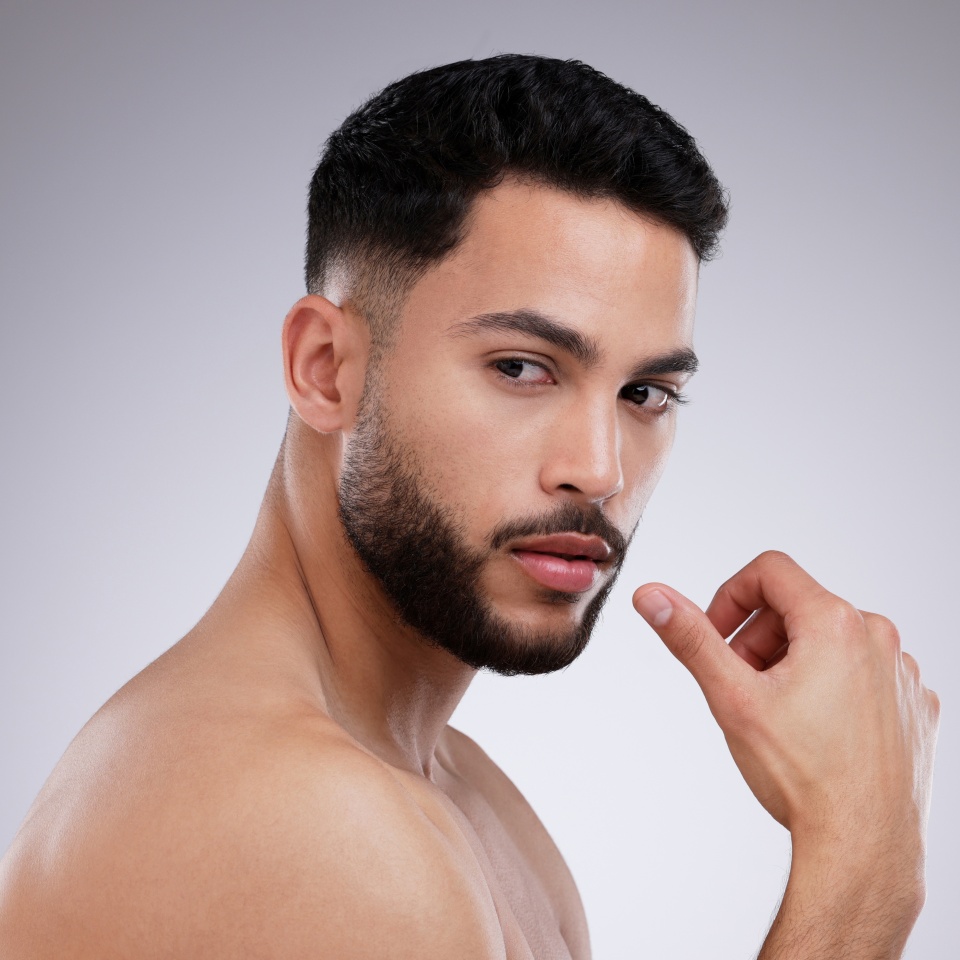
Graft Numbers and Coverage Planning
Understanding realistic requirements:
- Mustache Enhancement: 200-400 grafts create fuller, more defined mustache appearance enhancing upper lip area.
- Goatee Creation: 300-500 grafts build full goatee covering chin and lower lip area with natural density.
- Sideburn Restoration: 200-300 grafts per side create or enhance sideburns connecting properly with beard.
- Cheek Coverage: 500-800 grafts per cheek fill sparse areas creating full beard extending across lower face.
- Full Beard Creation: 1,500-3,000+ grafts build complete beard from minimal natural growth covering entire facial area.
- Scar Camouflage: Graft numbers vary significantly based on scar size and location requiring individualized assessment.
Beard Grooming After Transplant
Managing your transplanted beard:
- Continuous Growth: Transplanted scalp hair grows continuously (unlike natural beard hair that has growth cycle limits) requiring regular trimming.
- Normal Grooming: Once fully grown, transplanted beard can be trimmed, styled, shaved, and groomed exactly like natural facial hair.
- Texture Adaptation: Transplanted scalp hair may initially appear slightly different texture but typically adapts over time to facial hair characteristics.
- Styling Flexibility: Complete freedom to style beard in any fashion-full coverage, goatee, mustache, sculpted styles, or clean shaven.
- Permanent Results: Transplanted follicles grow permanently throughout life requiring ongoing grooming and maintenance like natural beard.
Frequently Asked Questions About Beard Transplant
-
Graft requirements vary significantly based on extent of natural growth and desired coverage. Minor mustache or goatee enhancement requires 200-500 grafts. Filling patchy cheeks typically needs 500-800 grafts per side. Creating a complete full beard from minimal natural growth can require 1,500-3,000+ grafts depending on desired density and coverage area. During consultation, Dr. Sayah performs detailed facial assessment and provides accurate graft estimates for your specific goals. Facial hair transplants typically require fewer total grafts than scalp procedures but precise placement at proper angles is more critical for natural appearance.
-
When performed by experienced surgeons like Dr. Sayah using proper technique, beard transplants appear completely natural and indistinguishable from natural beard growth. Critical factors creating natural appearance include proper angle placement (30-45 degrees matching facial hair growth), correct directional variation across different facial zones, appropriate density avoiding “doll beard” appearance, natural border irregularity rather than straight lines, and artistic placement following natural ethnic beard patterns. Dr. Sayah’s artistic background as a sculptor provides unique insight into three-dimensional facial hair growth patterns ensuring authentic results. People notice you have a great beard, not that you had a transplant.
-
Transplanted follicles from your scalp retain their scalp hair characteristics–meaning they grow continuously rather than following typical beard hair growth cycles. This requires more frequent trimming than natural beard hair. However, over time, many transplanted hairs adapt somewhat to facial characteristics and growth patterns. You can trim, style, shave, and groom transplanted beard exactly like natural facial hair once fully grown. The permanent nature of transplanted hair means your beard continues growing throughout life, and texture typically softens over months to blend naturally with any existing facial hair.
-
The procedure itself is not painful due to local anesthesia completely numbing both scalp donor area and face. You may feel slight pressure during extraction and implantation but no pain. After surgery, most men experience mild facial tenderness for 2-3 days–typically less discomfort than scalp hair transplants due to better blood supply in facial tissue. Facial swelling is common but manageable. Most men describe post-procedure discomfort as similar to mild dental work soreness. Over-the-counter pain medication adequately manages any discomfort. By day 4-5, most men feel completely comfortable. The procedure is remarkably well-tolerated.
-
Yes–once transplanted beard has fully grown (around 8-12 months post-procedure), you can shave, trim, or style it exactly like natural facial hair. The transplanted follicles remain permanently in place beneath the skin even when shaved. Shaving doesn’t damage or remove transplanted follicles. This gives you complete flexibility–you can maintain a full beard, trim it to different lengths and styles, or even shave completely clean for occasions requiring it. The follicles remain viable and continue producing hair throughout your life regardless of grooming choices.
-
Beard transplant results are permanent. The transplanted follicles are harvested from permanent zones on your scalp that are genetically programmed to grow throughout life. When moved to your face, these follicles retain their permanent growth characteristics and continue producing hair indefinitely. Unlike temporary solutions like minoxidil that require continuous use, beard transplantation provides one-time permanent correction. The transplanted beard remains and grows naturally for your entire life, requiring only normal grooming and maintenance like natural facial hair.
Why Choose Simply Males for Beard Transplant
- Exclusive Male Focus: Dr. Sayah specializes exclusively in procedures for men, performing beard transplants regularly and understanding masculine facial hair aesthetics and growth patterns.
- Artistic Beard Design: Dr. Sayah’s training as an oil painter and sculptor provides unique insight into natural facial hair patterns, proper angles, and ethnic variations creating authentic results.
- Specialized Facial Technique: Expertise in precise angle placement (30-45 degrees) and directional variation required for natural-looking facial hair transplants.
- Natural Results Priority: Creating beard restoration that appears completely natural-facial hair that looks like it’s always been there rather than obviously transplanted.
- Ethnic Sensitivity: Understanding natural beard patterns and density variations across different ethnic backgrounds ensuring culturally appropriate results.
- Scar Camouflage Expertise: Experience restoring facial hair in scarred areas from accidents, burns, or previous procedures.
- Advanced Training: Board-certified by the American Board of Plastic Surgery with fellowship training in advanced endoscopic techniques completed at UCLA Medical Center. Over 15 years specializing exclusively in male procedures.
- Comprehensive Consultation: Detailed planning including computer imaging showing expected results and realistic graft estimates for your desired coverage.
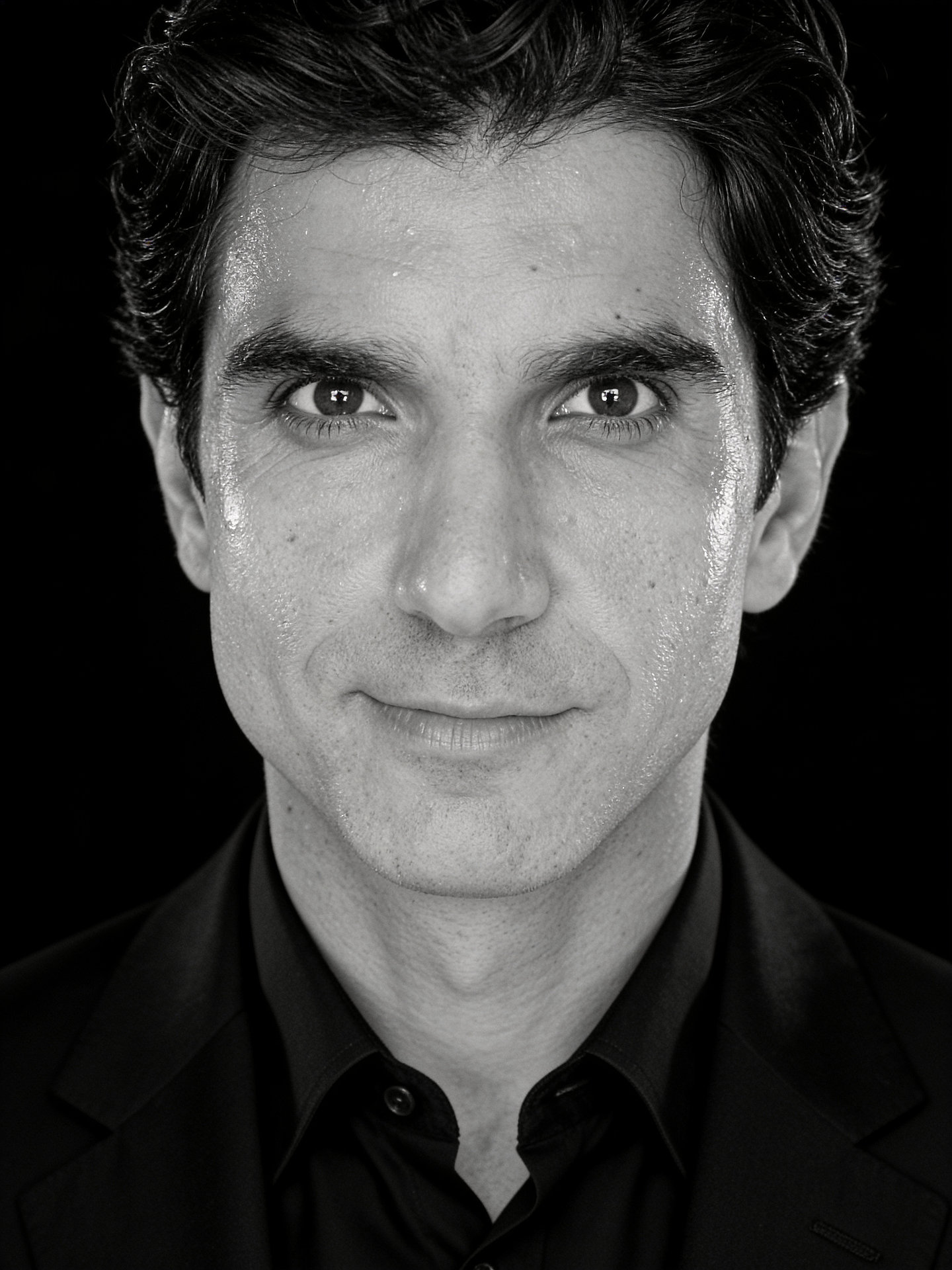
Meet Dr. David Sayah
Dr David Sayah is a board certified plastic surgeon in Beverly Hills known for his natural approach to aesthetic surgery. With more than 26 years of experience, he combines surgical precision with artistic insight to deliver balanced and refined results. His philosophy centers on enhancing individual beauty rather than changing it.
A graduate of the UCLA School of Medicine and a Fellow of the American College of Surgeons, Dr Sayah trained at leading medical centers including NYU and UCLA. His work in wound healing and scar formation research helps patients heal beautifully with minimal scarring. Fluent in five languages, he welcomes patients from Beverly Hills, Los Angeles, and across the world who seek exceptional, natural results.
Schedule Your Beard Transplant Consultation in Beverly Hills
If patchy beard growth, scarring, or lack of facial hair is affecting your appearance and confidence, we can help. Dr. Sayah’s unique combination of surgical precision, artistic vision, and exclusive male focus ensures you receive beard transplantation creating permanent, natural-looking results.
Contact Simply Males today at (310) 928-0920 to schedule your confidential consultation. We serve men throughout Los Angeles and Beverly Hills and welcome patients from around the world seeking expert beard restoration and facial hair transplantation. Detailed facial assessment, beard design planning, and personalized treatment recommendations included in every consultation.
Medically reviewed by David N. Sayah, MD, MD, FACS on