A wide nasal bridge makes your nose appear broad and heavy from the front view. The width dominates your face, drawing excessive attention and creating imbalance with your other features. Your eyes may appear closer together than they actually are-an optical illusion created by the excessive bridge width. In photos, the width is particularly noticeable, affecting how your entire face appears.
Dr. David N. Sayah is a board-certified plastic surgeon with fellowship training in advanced endoscopic techniques and over 15 years of experience specializing in procedures for men. He understands that narrowing a bridge in men requires maintaining adequate width for masculine proportions-not creating the narrow, delicate bridges appropriate for women. His exclusive focus on male patients throughout Los Angeles and Beverly Hills has made him an expert in creating natural bridge reduction that refines without feminizing male faces.
Wide bridge reduction involves controlled bone fractures (osteotomies) that allow your nasal bones to be repositioned inward, creating a narrower appearance from the front view. This is one of the most transformative rhinoplasty procedures-the before-and-after difference from the front is dramatic.
I had my rhinoplasty with Dr Sayah and could not be happier. The result is exactly what I wanted, natural and balanced. His team at Simply Males made the entire process smooth and professional. Thank you all!
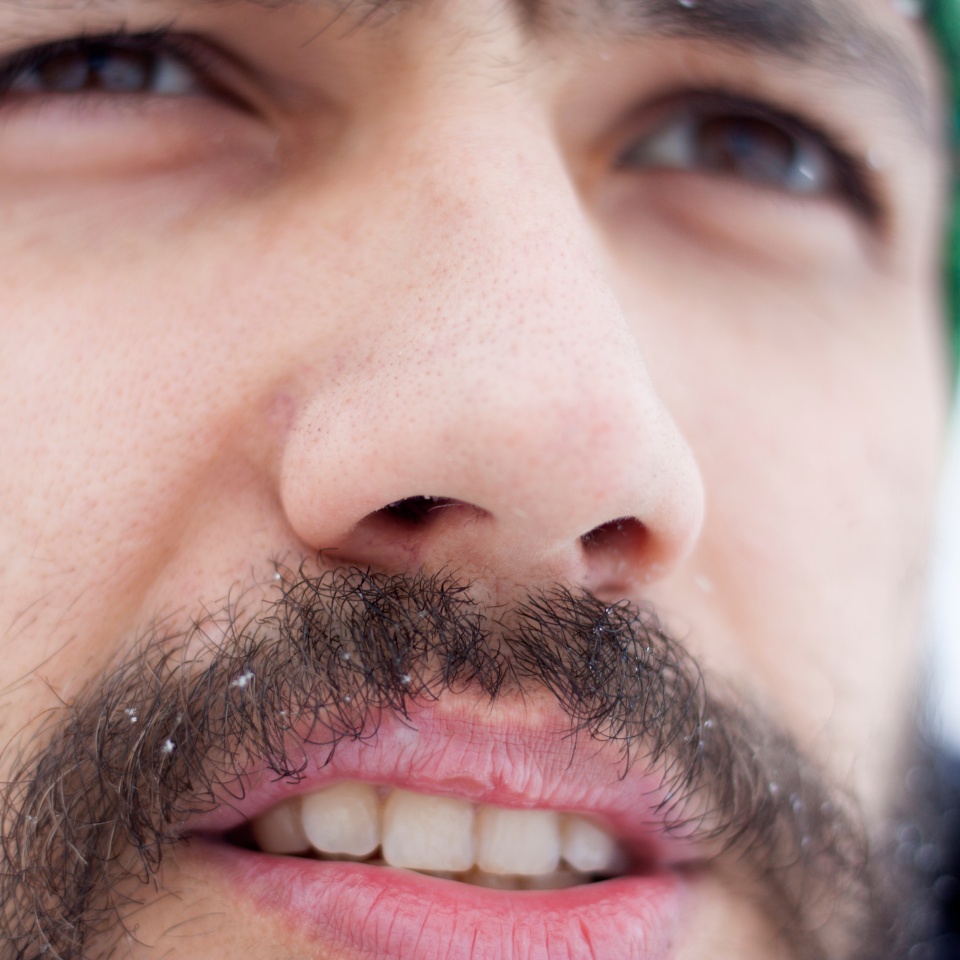
Understanding Wide Nasal Bridge Concerns in Men
A wide nasal bridge describes excessive width of your nasal bones and upper nasal structures, creating a broad appearance that affects facial proportions. The condition varies in presentation:
- Uniformly Wide Bridge: Excessive width extending from between your eyes down to your tip. The entire bridge appears broad and heavy.
- Wide Upper Bridge: The bony portion of your bridge (the upper half) is excessively wide, while your lower nose is normal width. This creates disproportion.
- Bony Width: Primarily affecting your nasal bones-the hard structure you can feel in the upper portion of your nose.
- Cartilaginous Width: Involving your upper lateral cartilages (the middle vault cartilages), creating width in the middle portion of your bridge.
- Ethnic-Associated Width: Certain ethnic backgrounds naturally feature broader nasal proportions. Whether you want to maintain this width or reduce it is a personal decision.
Common causes:
- Ethnic characteristics where certain backgrounds naturally feature broader bridges
- Genetic inheritance from family members with similar features
- Traumatic injury causing nasal bones to heal in widened position
- Previous rhinoplasty complications from inadequate narrowing
- Developmental factors during adolescent nasal growth
Why Men in Los Angeles Choose Bridge Reduction
Men seek nasal bridge narrowing when the width affects their facial balance and appearance:
Facial Disproportion
Excessive bridge width creates imbalanced appearance, making your nose dominate your facial features. This draws attention away from your eyes and other features, affecting overall facial harmony.
Eyes Appearing Close-Set
Wide bridges can create an optical illusion of closely-spaced eyes even when your eye spacing is completely normal. This affects facial balance and perceived proportions despite normal anatomy.
Heavy Profile Appearance
Excessive width visible in profile view creates a heavy appearance that’s particularly noticeable in photographs and video calls from certain angles.
Professional Image
In business environments, refined facial proportions contribute to the polished, commanding presence you want to project. A wide bridge can undermine that refined appearance.
Post-Traumatic Width
Previous nasal fractures that healed in widened position create ongoing concerns. Bridge reduction can restore more normal proportions and eliminate visible reminders of past injuries.
Post-Rhinoplasty Imbalance
You had previous rhinoplasty that reduced your dorsal hump but the surgeon didn’t narrow your bridge. Now the top of your bridge is flat and wide-creating an unnatural appearance that requires secondary correction.
“Wide bridge reduction requires exceptional precision and careful planning,” explains Dr. Sayah. “The goal is creating natural narrowing that harmonizes with facial proportions and ethnic characteristics, not creating a pinched or unnatural appearance. My approach emphasizes balanced reduction appropriate for each patient’s unique facial structure, avoiding the overdone narrowing that characterizes poor technique. Conservative osteotomies combined with my artistic eye ensure results that appear refined rather than obviously surgical.”
Male-Specific Wide Bridge Reduction Techniques
Narrowing your nasal bridge requires sophisticated bone work that maintains masculine proportions:
Conservative Narrowing Philosophy
The biggest consideration in male bridge reduction is maintaining adequate width for masculine aesthetics. Women can have narrower, more delicate bridges. Men need bridges with sufficient width to maintain commanding presence and strong facial features.
What This Means: Your bridge will be narrower and more refined, but it will maintain appropriate width for masculine proportions. You won’t end up with a narrow, delicate, or feminine bridge.
Lateral Osteotomies
The primary technique for narrowing wide bridges involves controlled bone fractures:
- Precisely Placed Fractures: Osteotomies are made through your lateral nasal walls (the sides of your nasal bones), allowing mobilization of the bones.
- Inward Movement: Your nasal bones are carefully moved inward toward the midline, creating narrower width from the front view.
- Controlled Repositioning: The fractures are controlled and predictable, ensuring symmetric narrowing and balanced appearance.
- Permanent Results: Once healed, your bones remain in the narrowed position permanently-they don’t widen again.
Medial Osteotomies
Narrowing the midline complements the lateral bone repositioning:
- Central Narrowing: Osteotomies along your nasal septum allow central narrowing, working in coordination with the lateral osteotomies.
- Complex Reshaping: Creation of controlled fracture patterns enables complex reshaping when your anatomy requires it.
- Midline Centering: Precise positioning ensures your bones remain properly centered on your facial midline.
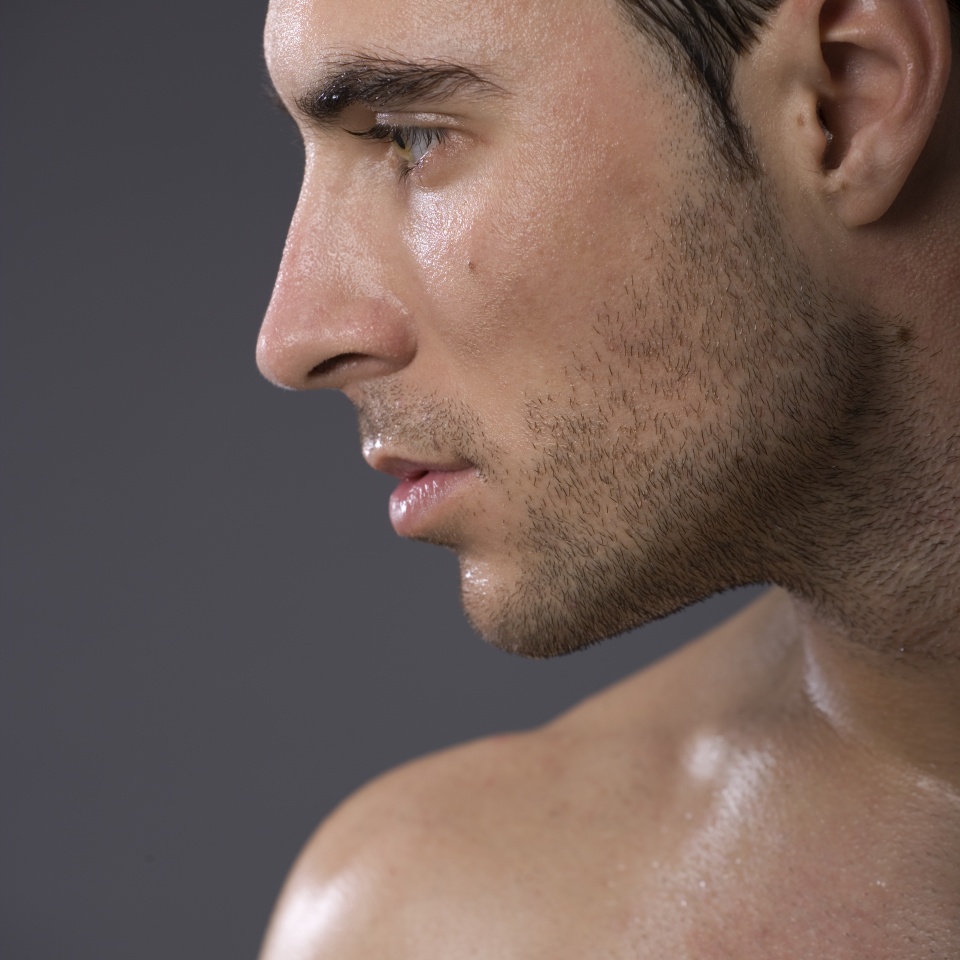
Intermediate Osteotomies
Complex cases sometimes require additional fracture lines for greater control:
- Strategic Cuts: Intermediate osteotomies between the medial and lateral fractures allow more precise narrowing control.
- Dramatic Reduction: Enables more significant narrowing when needed and appropriate for your facial structure.
- Multiple Segments: Allows repositioning of multiple bone segments for customized correction.
Upper Lateral Cartilage Management
- The cartilaginous middle vault often requires attention alongside bony reduction:
- Cartilage Trimming: Excess cartilage width may be reduced when appropriate, ensuring the middle portion of your nose narrows along with the bones.
- Spreader Graft Placement: When narrowing risks creating a pinched appearance or compromising breathing, spreader grafts maintain adequate internal width.
- Breathing Preservation: Internal valve function is maintained, ensuring you can breathe properly despite the external narrowing.
Rasping for Refinement
Final smoothing creates ideal contours:
- Smoothing Irregularities: Precise rasping eliminates any high points or irregularities created during the osteotomies.
- Smooth Lateral Walls: Creates smooth contours without bumps or visible edges under your skin.
- Elegant Appearance: These finishing touches ensure your narrowed bridge has elegant, natural-appearing contours.
What Wide Bridge Reduction Addresses
Nasal bridge narrowing creates comprehensive improvement:
Refined Proportions
Create balanced width that harmonizes with your other facial features rather than dominating your appearance.
Improved Eye Balance
Eliminate the optical illusion of close-set eyes, creating better perceived proportions.
Lighter Appearance
Reduce the heavy appearance from the front and profile views, creating a more refined overall aesthetic.
Enhanced Symmetry
Ensure both sides of your bridge are symmetric and balanced, eliminating any asymmetries.
Maintained Masculinity
All narrowing maintains appropriate width for masculine proportions-not delicate or feminine reduction.
Natural Results
Create a bridge that looks naturally proportionate-not obviously narrowed or surgically altered.
The Wide Bridge Reduction Procedure
Dr. Sayah performs all bridge reduction procedures at his fully accredited surgery center in Beverly Hills. Bridge narrowing can be performed as an isolated procedure or combined with comprehensive rhinoplasty:
- Approach: Dr. Sayah uses either open or closed rhinoplasty depending on your specific needs. For isolated bridge narrowing, the closed approach (all incisions inside the nose) is often sufficient.
- Duration: Isolated bridge reduction typically takes 1.5-2 hours. If combined with other procedures, surgery may take 2-3 hours.
- Anesthesia: General anesthesia ensures your comfort throughout the procedure.
- Technique: Dr. Sayah performs precisely placed lateral osteotomies through your nasal sidewalls, medial osteotomies along your septum when needed, careful inward repositioning of your nasal bones, placement of spreader grafts if needed to maintain internal width, and final rasping to smooth any irregularities.
You’ll rest in the recovery suite for a few hours before being discharged home with comprehensive post-operative instructions.
Combining Wide Bridge Reduction With Other Procedures
Many men combine bridge narrowing with complementary procedures for comprehensive improvement:
- Hump removal -reducing your dorsal hump often necessitates bridge narrowing to close the “open roof” created by hump removal
- Tip refinement-when both bridge and tip are wide, addressing both creates harmony
- Nostril reduction-wide bridges sometimes accompany wide nostrils requiring coordinated correction
- Septoplasty-correcting breathing difficulties while addressing cosmetic concerns
Dr. Sayah will evaluate your complete nasal anatomy and recommend which combination of procedures will best achieve your goals while maintaining natural masculine proportions.
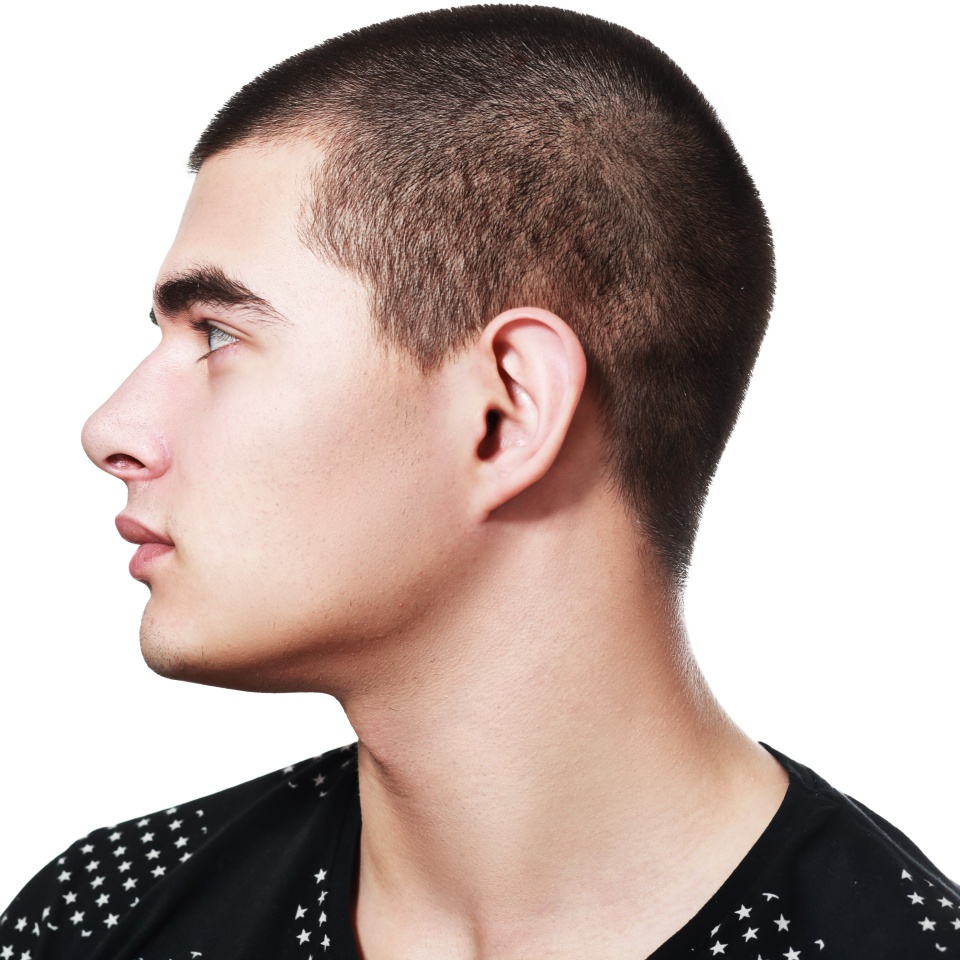

Recovery After Male Bridge Reduction
Recovery from wide bridge reduction follows a standard rhinoplasty timeline, with osteotomies typically causing more bruising around your eyes:
- First Week: You’ll wear a nasal splint protecting your reshaped bones during initial healing. Bruising around your eyes is normal from the osteotomies, typically peaking days 2-3 before improving. Some swelling and tenderness are expected. Splint removal around day 7 reveals your narrower bridge, though swelling remains.
- Weeks 2-4: Progressive swelling and bruising resolution allows increasingly apparent narrowing. Most men return to work and social activities comfortably within 2 weeks. You can use makeup to camouflage any residual minor bruising if needed for professional settings.
- Months 2-6: Continued gradual improvement as swelling slowly resolves. Your narrowed bridge width becomes clearly apparent with improved facial proportions. Your bones fully heal and stabilize in their new position.
- Months 6-12: Final refinement occurs as the last swelling disappears. Your bridge assumes its permanent narrowed contour with natural appearance. Results remain stable indefinitely with properly performed reduction.
- Long-Term Results: Wide bridge reduction provides permanent improvement remaining stable for life. Your bones heal in the narrowed position and do not widen again. Natural aging affects your nose over decades, but width remains stable.
Most men notice immediate improvement in bridge width after splint removal despite swelling, with progressively better definition emerging as healing continues.
Frequently Asked Questions About Wide Bridge Reduction
-
The achievable narrowing depends on your bone structure, skin thickness, and facial proportions. Typical reduction ranges from 2-5 millimeters per side–which sounds small but creates very noticeable improvement in frontal appearance. Dr. Sayah determines appropriate narrowing during consultation based on your anatomy and what will maintain masculine proportions without creating a pinched or feminine appearance.
-
When performed properly by an experienced surgeon, bridge narrowing should not impair breathing. Dr. Sayah preserves your internal nasal structures and uses spreader grafts when needed to maintain adequate airway width, ensuring cosmetic improvement doesn’t compromise respiratory function. Many men find breathing actually stays the same or improves after proper bridge reduction.
-
Osteotomies typically cause bruising around your eyes that peaks around days 2-3 before gradually fading. Most bruising resolves within 10-14 days. If needed, you can use makeup to camouflage remaining discoloration for social or professional activities during the second week.
-
Yes, isolated bridge narrowing without tip work or other changes is absolutely possible when width is your only concern. Many men are ideal candidates for this focused approach–addressing just the bridge width while leaving everything else unchanged. This involves less surgery, faster recovery, and lower cost while still achieving dramatic improvement from the front view.
-
Not when performed by a surgeon specializing in male patients using conservative technique. Dr. Sayah creates natural-looking narrowing that appears refined rather than pinched. Proper osteotomy angles, spreader graft use when needed, and conservative reduction philosophy prevent the over-narrowed appearance. You’ll maintain adequate width appropriate for masculine aesthetics.
-
Recovery discomfort is similar to other rhinoplasty procedures. The osteotomies may cause more bruising around your eyes but don’t necessarily increase pain significantly. Dr. Sayah uses long-acting local anesthetics and appropriate pain management, ensuring comfortable recovery. Most men find the procedure very manageable with over-the-counter pain medication after the first few days.
Why Choose Simply Males for Wide Bridge Reduction in Beverly Hills
- Exclusive Male Focus: Dr. Sayah specializes exclusively in procedures for men. This focused expertise means he understands the critical balance between creating refinement and maintaining adequate bridge width for masculine proportions. You won’t end up with feminine over-narrowing.
- Osteotomy Expertise: Successful bridge reduction requires precise osteotomy techniques-the controlled bone fractures that allow repositioning. Dr. Sayah’s extensive training ensures optimal fracture placement and symmetric narrowing.
- Conservative Philosophy: We create refinement without over-reduction. The goal is natural-looking narrowing that enhances facial harmony-not pinched, overly narrow bridges inappropriate for male faces.
- Breathing Preservation: Dr. Sayah evaluates your internal anatomy and uses spreader grafts when needed to ensure cosmetic improvement doesn’t compromise respiratory function.
- Natural, Masculine Results: Your narrowed bridge will maintain appropriate width for masculine aesthetics. The refinement enhances your natural appearance while preserving strong, commanding facial features.
- Advanced Training: With fellowship training in endoscopic techniques and over 15 years of surgical experience, Dr. Sayah offers the most refined approaches to bridge reduction. His education at UCLA Medical Center provides exceptional surgical skill.
- State-of-the-Art Facility: All procedures are performed at our fully accredited surgical facility in Beverly Hills with the highest safety protocols and latest technology.
Meet Dr. David Sayah
Dr David Sayah is a board certified plastic surgeon in Beverly Hills known for his natural approach to aesthetic surgery. With more than 26 years of experience, he combines surgical precision with artistic insight to deliver balanced and refined results. His philosophy centers on enhancing individual beauty rather than changing it.
A graduate of the UCLA School of Medicine and a Fellow of the American College of Surgeons, Dr Sayah trained at leading medical centers including NYU and UCLA. His work in wound healing and scar formation research helps patients heal beautifully with minimal scarring. Fluent in five languages, he welcomes patients from Beverly Hills, Los Angeles, and across the world who seek exceptional, natural results.
Schedule Your Wide Bridge Consultation in Los Angeles
If a wide nasal bridge is affecting your facial proportions and confidence, we can help. Dr. Sayah’s exclusive focus on male patients ensures you receive results that enhance your appearance while maintaining the appropriate bridge width that defines masculine attractiveness.
Contact Simply Males today at (310) 928-0920 to schedule your confidential consultation. We serve men throughout Los Angeles and Beverly Hills and welcome patients from around the world seeking expert male wide bridge reduction and nasal bridge narrowing surgery.
Medically reviewed by David N. Sayah, MD, MD, FACS on